
Choosing the right exterior design starts with considering your home’s architecture, neighborhood, climate, and personal style. Select durable materials, complementary colors, and practical features that enhance curb appeal while fitting your budget. A well-planned exterior design not only creates a welcoming first impression but can also improve your home’s value, functionality, and long-term appeal.
Introduction
Your home’s exterior is the first thing people notice, and it plays a major role in defining its character and overall appeal. Selecting the right design is not just about aesthetics—it’s about creating harmony between architecture, environment, and personal style. With countless design options available, from sleek contemporary finishes to timeless traditional facades, the decision can quickly become challenging. A well-chosen exterior should enhance your home’s structure, suit its surroundings, and align with your lifestyle needs. By thoughtfully evaluating design elements such as materials, colors, and architectural details, you can achieve an exterior that is both visually striking and long-lasting in value.
Start by Defining Your Home’s Architectural Style
Before choosing colors or materials, take a close look at your home’s architecture. The shape of the roof, placement of windows, proportions of doors and garages, and overall structure can help determine which exterior styles will look natural. Traditional homes may work beautifully with brick, shutters, stone, or classic siding, while contemporary properties often benefit from clean lines, large windows, simple trim, and a restrained material palette.
This is where thoughtful Exterior architectural design becomes especially important. Instead of forcing a particular trend onto your property, identify the features that already give your house character and build around them. A cohesive design generally looks more polished than an exterior that combines too many unrelated styles.
If you are renovating, take photographs of your house from several angles. Look at the front, sides, driveway, garage, roofline, and entryway. This simple exercise can reveal proportions or features that may influence your design decisions.
Gather Inspiration Before Making Big Decisions
Once you understand your home’s architectural character, start collecting inspiration. Look through home-design publications, neighborhood properties, architecture websites, and design galleries. Save examples that immediately catch your attention, but do not simply copy one house. Instead, identify patterns in what you like.
For example, you might discover that you consistently prefer light exterior colors, dark windows, natural wood accents, simple landscaping, and large covered entryways. Creating a mood board can help turn those individual preferences into a clear design direction. One design approach also recommends comparing inspiration images to identify both preferred and unwanted features before selecting an exterior elevation.
At this stage, create two lists: what I love and what I don’t want. This sounds simple, but it can prevent expensive mistakes later. If you know that you dislike overly busy facades or too many competing materials, you can eliminate those choices before investing time and money in them.
Choose Exterior Materials for Beauty and Performance
Materials play a major role in both appearance and performance. Depending on your home and location, options may include brick, stone, stucco, fiber cement, wood, vinyl, metal, or combinations of several materials. The goal is not necessarily to choose the most expensive option. Instead, consider durability, maintenance, weather resistance, appearance, installation requirements, and overall value.
For example, a material that looks beautiful in a showroom may require more upkeep than you want to handle. Similarly, a low-maintenance product may be practical but unsuitable for the architectural character of your property. A recent builder guide emphasizes that exterior materials should complement the home’s architectural style while also considering energy efficiency, local codes, and weather conditions.
Think about how the material will look five, ten, or twenty years from now. Will it fade noticeably? Does it require regular sealing or painting? Can it withstand your area’s heat, humidity, rain, snow, wind, or other environmental conditions? Answering these questions helps you select materials that are attractive and practical.
Build a Balanced Color Palette
Color can completely change the personality of a home. However, choosing exterior colors is not as simple as picking your favorite paint shade. You need to consider the roof, masonry, windows, doors, trim, driveway, landscaping, and neighboring homes.
A reliable strategy is to select one dominant body color, one secondary or trim color, and one accent color. For example, a warm neutral exterior can be paired with darker trim and a natural wood or bold front-door accent. Keeping the palette controlled creates visual harmony without making the facade look flat.
Your accent color should remain an accent. Use it strategically on areas such as the front door, shutters, trim, garage door, or exterior lighting. A design guide similarly recommends keeping an exterior color story cohesive while using an accent to prevent the home from appearing boring or visually flat.
Before committing to paint, view large samples outdoors at different times of day. Morning sunlight, afternoon glare, shade, and evening lighting can all affect how a color appears.
Consider Your Local Climate and Environment
A beautiful exterior is not successful if it cannot handle the environment around it. Climate should therefore influence almost every major exterior decision, from materials and roof design to paint colors and drainage.
If your area experiences intense sunlight, you may want finishes and colors that perform well under prolonged UV exposure. In wet or humid conditions, moisture resistance becomes particularly important. In areas exposed to severe winds, storms, or freezing temperatures, structural durability should receive extra attention. Exterior materials can also influence energy performance, making insulation and heat transfer worth considering during the design process.
Think beyond weather, too. Consider the amount of shade your property receives, the slope of the lot, nearby trees, drainage patterns, and exposure to road dust or pollution. These factors can affect maintenance requirements and help you decide where certain materials make the most sense.
Make the Front Entryway the Focal Point
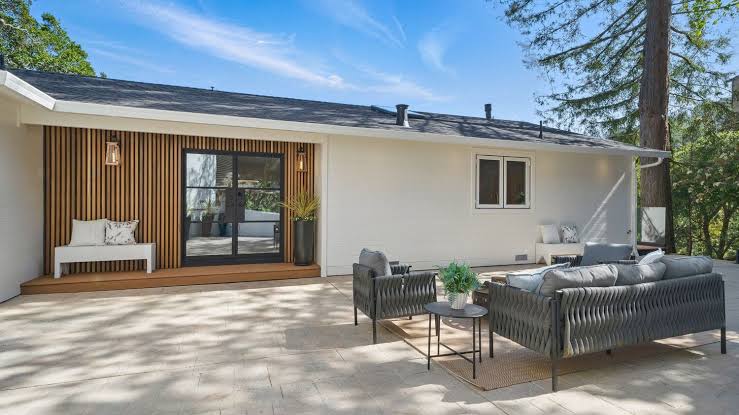
The front entrance deserves special attention because it naturally becomes the visual centerpiece of your home’s exterior. A welcoming entry can make an otherwise simple facade feel intentional and memorable.
Start with the front door. Its style, color, material, and size should complement the home’s architecture. Then consider porch columns, steps, railings, lighting, house numbers, planters, and the walkway. A covered entryway can also add both visual appeal and practical protection from rain and sun.
However, avoid adding too many decorative elements. If the door is bold, keep surrounding details relatively simple. If the architecture itself is dramatic, understated lighting and landscaping may provide the right balance. The objective is to create a clear focal point rather than a collection of competing features.
Coordinate Roofing, Windows, and Other Major Features
Your exterior design should be viewed as one complete composition. A beautiful siding choice can still look disconnected if the roof, windows, garage door, and trim do not coordinate with it.
Roof color deserves particular attention because it covers a large portion of the visible exterior. Likewise, window frames can create a strong contrast or blend quietly into the facade. Garage doors should also support the overall design rather than becoming an accidental focal point.
For House exterior design, proportion matters just as much as color. Oversized decorative elements can make a small home appear crowded, while undersized features may disappear on a larger property. Pay attention to scale when selecting windows, doors, lighting fixtures, columns, shutters, and architectural accents.
If you are building from plans or choosing between exterior elevations, study the overall shape first. One homeowner’s design process, for example, focused on rooflines, windows, garage placement, materials, and the number of exterior colors before finalizing the color scheme.
Create a Modern Look Without Chasing Every Trend
Modern exterior design can create a clean, sophisticated appearance, but modern does not have to mean extreme or overly trendy. Simple geometry, restrained colors, large windows, natural textures, and minimal ornamentation can create a contemporary appearance that remains attractive for years.
The key is to separate timeless design principles from temporary trends. Clean lines and balanced proportions tend to have lasting appeal. Extremely specific colors, unusual shapes, or trend-heavy combinations may become dated more quickly.
You can also blend modern elements with traditional architecture. For example, a classic home might receive a modern front door, updated lighting, contemporary house numbers, or darker window trim without completely changing its character. This approach can give your property a fresh appearance while preserving the architectural qualities that make it distinctive.
Explore Custom Options That Fit Your Property
Every home has different proportions, surroundings, and homeowner priorities. That is why Custom exterior design can be especially valuable when standard options do not quite fit your property.
Customization might involve selecting a unique material combination, adjusting the color palette, redesigning the entryway, adding architectural details, or creating a more cohesive connection between the house and landscape. You do not necessarily need to redesign everything. Sometimes a few carefully selected changes can make a substantial difference.
Professional planning can also help you understand how individual choices will interact. If you are considering a full transformation, explore specialized Home exterior design services to develop a cohesive plan instead of making disconnected decisions one at a time.
Think About Maintenance Before You Commit
A home’s exterior has to look good in real life—not just in a digital rendering. Before choosing a material or finish, think honestly about how much maintenance you are willing to perform.
Ask how often the material needs cleaning, painting, staining, sealing, or repair. Consider whether your landscaping will cause leaves or moisture to collect against the exterior. Also think about accessibility. A finish that looks fantastic but requires difficult upkeep on a second story may not be the best choice for your lifestyle.
This is one area where practical design can save money over time. Spending a little more on durable, low-maintenance materials may make sense if they reduce frequent repairs or refinishing. On the other hand, a more affordable material can still be an excellent choice when it matches your maintenance expectations.
Set a Realistic Budget and Prioritize Wisely
Exterior projects can quickly become expensive because there are so many components involved. Siding, masonry, roofing, windows, doors, lighting, landscaping, gutters, paint, and structural improvements can all affect the final cost.
Rather than spending your entire budget on one visually impressive feature, divide your priorities into three categories: essential improvements, high-value upgrades, and optional details. Address structural or protective concerns first. Then invest in elements that have a meaningful impact on appearance, functionality, or longevity.
Remember that prices can vary significantly based on location, materials, labor, project complexity, and the builder or contractor involved. One homeowner’s exterior upgrade experience also illustrates how dramatically costs can vary by product and project, so published prices should be treated only as general reference points.
Preview Your Exterior Before You Build or Renovate
One of the smartest ways to reduce design regret is to visualize the finished result before making permanent decisions. Ask for renderings, elevations, material samples, or digital mockups whenever possible.
A visual preview can help you compare different siding colors, roof combinations, window finishes, doors, and accent materials. It may also reveal problems that are difficult to notice when looking at individual samples.
Whenever possible, view samples in natural light and against the actual home. A color that looks perfect on a small sample card can appear completely different across an entire facade. Likewise, two materials that look attractive separately may compete when placed side by side.
Taking this extra step can save you from costly changes later and give you greater confidence before construction or installation begins.
Complete Your Exterior With Landscaping and Lighting
No Residential exterior design plan is complete without considering the space around the house. Landscaping should complement the architecture rather than hide it.
Use plants, pathways, retaining walls, planters, and lawn areas to frame important features such as the front door and walkway. Choose plants that suit your climate and maintenance preferences. If you want a low-maintenance yard, prioritize simple planting beds and durable landscape materials rather than a design that demands constant attention.
Lighting adds another layer of character. Path lights can improve safety, while wall sconces can highlight the entryway. Accent lighting can draw attention to architectural details or landscaping after dark. Keep the lighting design consistent with the home’s style and avoid excessive brightness.
The result should feel balanced during both day and night.
Avoid These Common Exterior Design Mistakes
- Ignoring the Home’s Architectural Style: Choose exterior elements that complement the existing architecture instead of creating a mismatched look.
- Using Too Many Colors: Stick to a balanced color palette with a primary color, an accent shade, and complementary trim.
- Choosing the Wrong Materials: Select durable exterior materials that suit your local climate, maintenance needs, and overall design.
- Overlooking the Front Door: A dull or poorly chosen front door can weaken curb appeal. Use it as an opportunity to add character.
- Neglecting Landscaping: Even a beautiful exterior can look incomplete without well-planned plants, pathways, lighting, and greenery.
- Forgetting Outdoor Lighting: Proper lighting improves both appearance and safety, especially around entrances, walkways, and driveways.
- Following Trends Too Closely: Avoid designs that may quickly look outdated. Instead, combine timeless features with a few modern touches.
Bring Your Exterior Vision Together
Choosing the right exterior does not require you to make every decision at once. Start with the architecture, establish your preferred style, and then work through materials, colors, roofing, windows, doors, landscaping, and lighting. Most importantly, evaluate each decision based on both appearance and performance.
The strongest Exterior home design combines personal taste with practical thinking. Whether you prefer a traditional look, a warm transitional style, or a sleek modern appearance, the goal is to create a home that feels like you while fitting its surroundings. Take your time, compare options, request visual previews, and ask professionals for guidance when a decision affects structure, durability, or long-term maintenance. With a thoughtful plan, your exterior can boost curb appeal, improve functionality, and make coming home feel even better.
Wrapping Up
Choosing the right exterior design for your home is about more than simply creating an attractive appearance. The ideal design should complement your home’s architecture, reflect your personal style, suit the surrounding environment, and provide lasting value. From selecting colors and materials to considering landscaping, lighting, and maintenance, every detail can make a meaningful difference. By planning carefully and focusing on both beauty and functionality, you can create an exterior that feels welcoming and stands the test of time. If you need professional guidance to bring your vision to life, explore All Pro Improvings‘ exterior design solutions and take the next step toward creating a home exterior you’ll love.
FAQs
Q: What should I consider first when choosing an exterior design?
A: Start with your home’s architectural style, existing structure, location, climate, and your personal preferences. These factors establish a strong foundation before you choose specific colors or materials.
Q: How many exterior colors should a house have?
A: There is no universal rule, but a simple palette with a primary color, secondary or trim color, and one accent usually creates a balanced appearance. Too many colors can make the facade look busy.
Q: What is the difference between modern and traditional exterior design?
A: Modern exterior design typically emphasizes clean lines, simple forms, large windows, and restrained materials. Traditional designs often use more decorative details, classic proportions, shutters, brick, stone, or traditional siding.
Q: Which exterior materials require the least maintenance?
A: Maintenance varies by product, installation quality, and climate. Some fiber cement, vinyl, metal, brick, and stone applications can offer relatively low maintenance, but homeowners should compare durability, cleaning requirements, repairability, and upfront cost before choosing.
Q: Should my exterior match the neighboring homes?
A: It does not need to look identical, but it should generally complement the neighborhood. Consider surrounding architectural styles, common materials, and any HOA requirements while still expressing your personal taste.
Q: How can I make a small house look larger from the outside?
A: Use consistent colors, appropriately scaled windows, simple landscaping, strong vertical or horizontal lines where appropriate, and a well-defined entryway. Avoid excessive decorative elements that can make a smaller facade feel crowded.
Q: Is custom exterior design worth the investment?
A: Customization can be worthwhile when your home’s structure, lot, lifestyle, or design goals require solutions that standard options cannot provide. The key is to prioritize changes that improve appearance, functionality, durability, or long-term value.
Q: Should I choose exterior colors before materials? A: Usually, it is better to consider materials and architecture first. Some materials have limited color ranges or natural variations that should influence the overall palette. Then you can coordinate paint, trim, doors, roofing, and accents around them.
Q: How can I know if my exterior design will look good before construction?
A: Use physical material samples, elevation drawings, digital renderings, and exterior mockups. View samples in different lighting conditions and, when possible, compare the proposed design with the actual property.
Q: Can professional exterior designers help with material selection?
A: Yes. A qualified professional can help coordinate architectural style, materials, colors, proportions, climate considerations, maintenance expectations, and budget so the finished design feels cohesive rather than pieced together.